3 Nov 2026
Regulatory Adjustments and Their Influence on Handheld Reel Engagement Dynamics
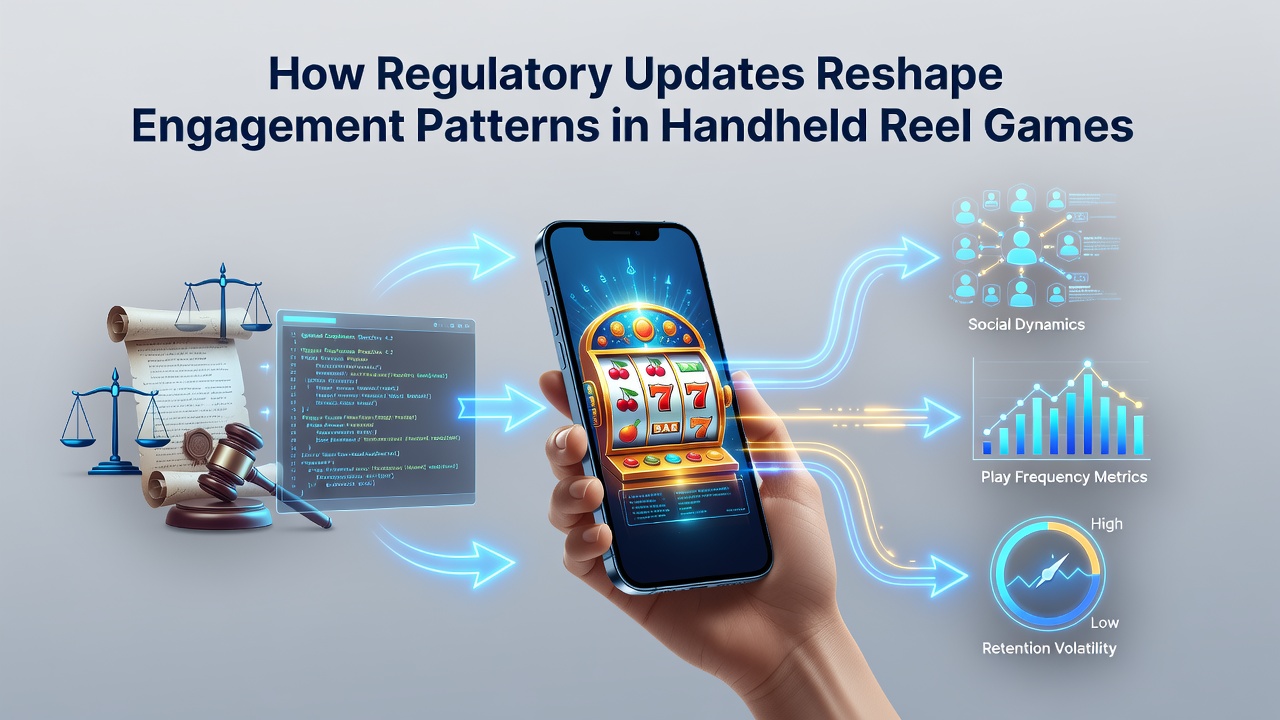
Regulatory adjustments across multiple jurisdictions continue to alter how players interact with handheld reel games, with data from industry reports showing shifts in session lengths, deposit frequencies, and feature usage patterns. Governments in various regions implement new rules on bonus structures, age verification processes, and spending limits, which in turn prompt developers to modify game mechanics while users adapt their habits accordingly. Observers note that these changes often produce measurable effects on engagement metrics tracked by analytics platforms.
Key Regulatory Developments Across Regions
Authorities in the United States have introduced updated guidelines in several states, including requirements for clearer disclosure of return-to-player percentages and restrictions on certain promotional offers. The Nevada Gaming Control Board maintains oversight that influences design choices for mobile platforms operating within its jurisdiction, and similar frameworks appear in New Jersey and Pennsylvania. Meanwhile, regulatory bodies in Australia enforce strict advertising standards and player protection measures that affect how handheld reel titles reach audiences down under.
Canadian provinces such as Ontario operate under the Alcohol and Gaming Commission of Ontario, where licensing conditions include mandatory responsible gaming tools that integrate directly into game interfaces. These tools, ranging from session reminders to deposit caps, have been linked to altered play patterns in official statistics released by provincial agencies. European countries outside the United Kingdom apply directives through national gaming authorities that emphasize transparency around random number generators and payout frequencies, leading developers to standardize certain features across markets.
Impact on Player Behavior and Session Metrics
Studies compiled by research institutions indicate that when spending limits take effect, average session durations in handheld reel games tend to decrease while the number of shorter, intermittent play periods rises. Players often respond by exploring games with higher volatility options or different bonus round structures that remain compliant under new rules. Data collected from platform operators shows increased use of built-in responsible gaming features once they become mandatory, with users setting personal thresholds more frequently after regulatory announcements.
Engagement with social or tournament-style modes within handheld titles has grown in regions where regulators permit limited shared leaderboards but prohibit direct monetary competitions. Reports from academic sources highlight how verification processes, now more stringent in multiple markets, reduce the rate of new account creations yet improve retention among verified users who complete the checks. This pattern emerges consistently across datasets gathered during periods of policy transition.
Developer Responses and Platform Adaptations
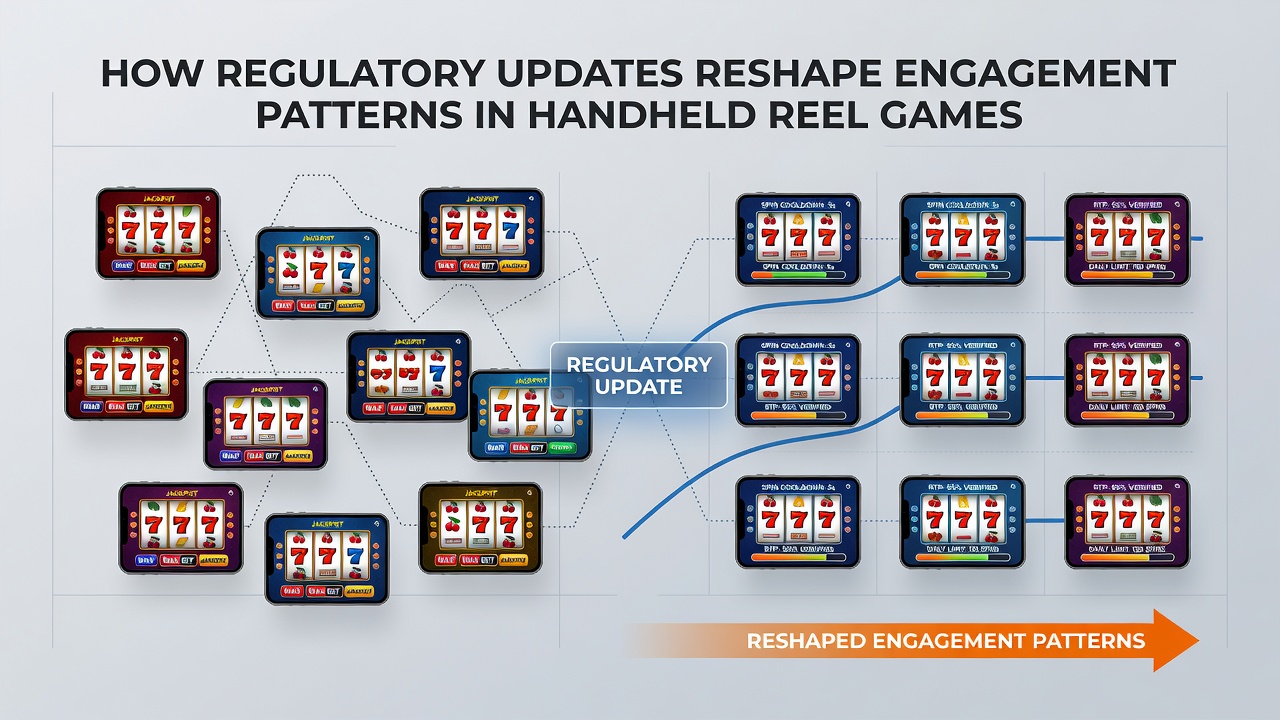
Game studios adjust their release schedules and content updates to align with forthcoming rules, such as those scheduled for implementation in November 2026 in select jurisdictions. These preparations include redesigning bonus triggers to avoid prohibited mechanics and incorporating dynamic limit settings that respond to user location. Analysts tracking download trends observe temporary dips in activity during transition periods followed by rebounds once new versions reach app stores.
Operators integrate compliance layers that track real-time behavior and flag potential issues before they violate updated standards. Such systems draw from guidelines issued by organizations like the National Council on Problem Gambling in the United States, which provides frameworks adopted by several platform providers. The result appears in engagement reports as steadier but more controlled interaction curves rather than sharp peaks associated with older promotional tactics.
Regional Variations in Observed Patterns
Markets with mature regulatory environments display steadier engagement curves compared to emerging regions still finalizing frameworks. Australian data, for instance, reveals consistent use of mandatory pre-commitment systems that correlate with predictable weekly play volumes. In contrast, North American states rolling out fresh rules experience more pronounced fluctuations during the initial months after enforcement begins.
Industry associations compile cross-border comparisons that show handheld reel engagement increasingly favors titles emphasizing skill elements or narrative progression when cash-based incentives face tighter controls. These shifts occur alongside broader adoption of HTML5 technology that allows seamless updates across devices as regulations evolve.
Conclusion
Regulatory updates continue to drive measurable changes in how users engage with handheld reel games, with session metrics, feature preferences, and account behaviors reflecting compliance requirements across different territories. Ongoing monitoring by government agencies and research bodies provides the data needed to track these patterns as additional rules take effect in coming periods, including developments anticipated around November 2026. The interplay between policy and platform design remains a central factor shaping future interaction trends in this sector.